How Experiential Events Are Becoming the Most Underrated Lead Generation Strategy
Lead generation has become increasingly complex. Digital channels are saturated, advertising costs continue to rise, and audiences are more selective about where they invest their attention. In this environment, experiential events are emerging as one of the most effective yet underutilized strategies for generating high-quality leads.
Unlike traditional marketing tactics, experiential events create direct, meaningful interactions between brands and their audiences. These interactions build trust faster and more authentically than digital impressions alone. As research from McKinsey & Company (https://www.mckinsey.com/) suggests, customer experience is now a primary driver of business growth, often surpassing price and product as key decision factors.
What makes experiential events particularly powerful is their ability to engage multiple senses simultaneously. Attendees are not just passive observers; they become active participants in a brand’s story. This level of engagement leads to stronger emotional connections, which directly influence purchasing decisions.
However, not all events achieve this level of impact. The difference lies in strategy. Successful experiential events are built around clear objectives, defined audience personas, and intentional design. Every element—from layout to content flow—is aligned with the desired outcome, whether that’s lead capture, brand awareness, or client retention.
Businesses exploring this approach often begin by understanding how professional event planning services can structure these experiences effectively. Reviewing tailored event solutions (https://rivercitymontgomery.com/services/) provides insight into how strategy and execution come together to create measurable results.
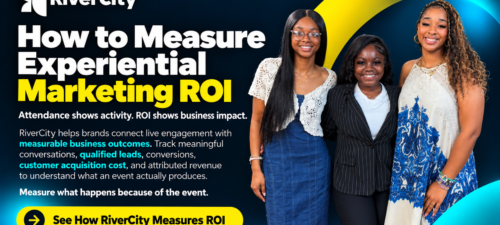
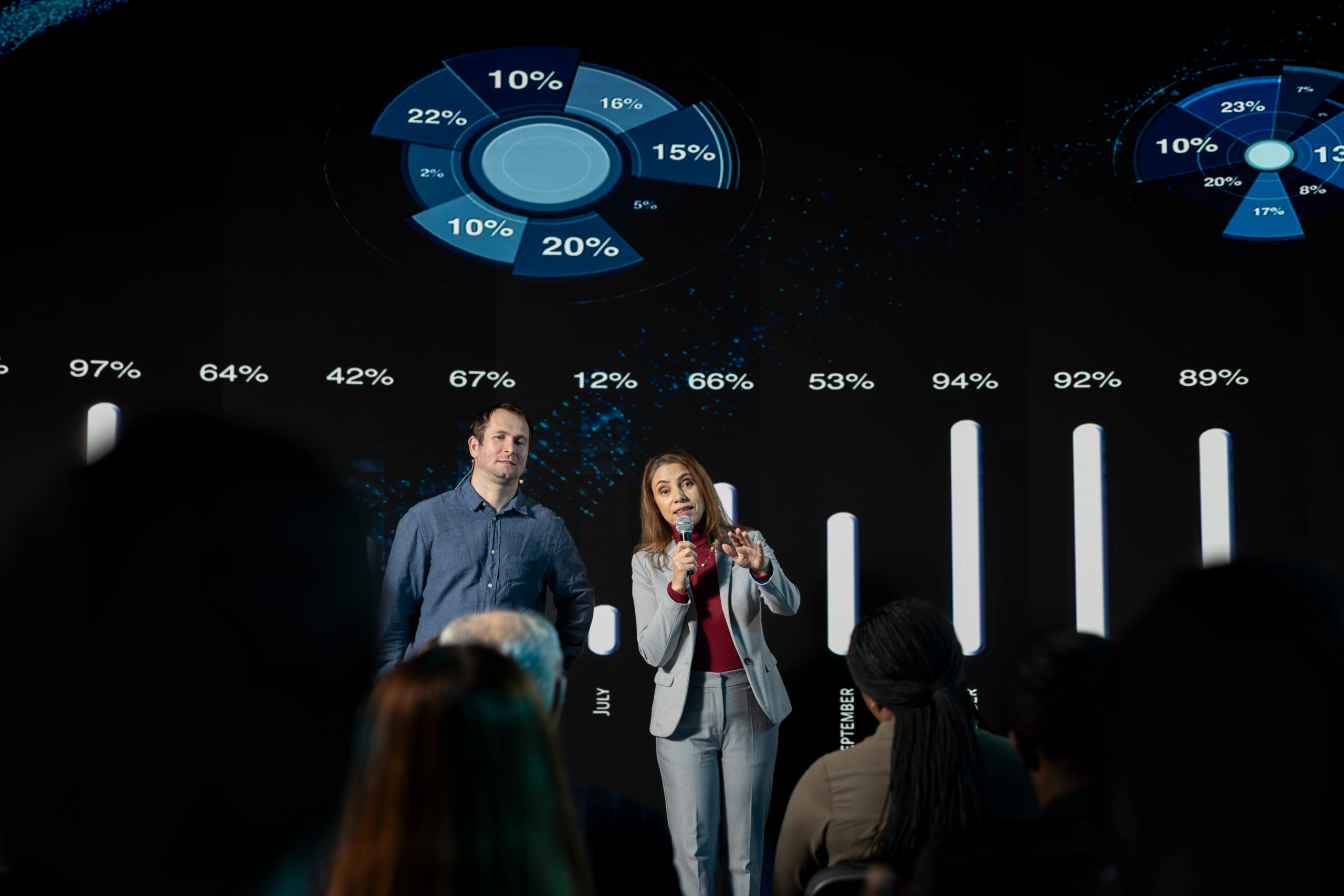
Another key advantage of experiential events is data collection. Unlike traditional events, modern experiences are designed to capture valuable insights about attendee behavior, preferences, and engagement levels. According to HubSpot (https://www.hubspot.com/marketing-statistics), data-driven marketing strategies significantly improve conversion rates, making events not only engaging but also highly analytical tools.
This combination of emotional connection and data intelligence positions experiential events as a hybrid between branding and performance marketing—something few other channels can achieve at the same level.
For businesses in growing markets, working with a team that understands both local dynamics and advanced event strategy can make a significant difference. Learning more about the company behind the execution (https://rivercitymontgomery.com/about/) helps ensure alignment with brand goals and expectations.
As competition intensifies, relying solely on digital strategies may limit growth potential. Experiential events offer a way to break through the noise, creating memorable interactions that translate into real business opportunities.
Organizations ready to diversify their lead generation strategies can start by exploring how live experiences fit into their marketing ecosystem or reaching out for a more personalized approach (https://rivercitymontgomery.com/contact/).